Unveiling Middle East Geography: Countries & Key Regional Features
The Middle East, a region often misunderstood and stereotyped, is in reality a vibrant tapestry of diverse landscapes, ancient cultures, and strategic importance. Far from a monolithic entity, its geography shapes everything from its climate and natural resources to its historical conflicts and modern-day relations. Understanding the intricate physical and political geography of this vital crossroads is essential for anyone seeking to grasp its complexities and appreciate its profound global influence.
Defining the Middle East: A Crossroads of Continents
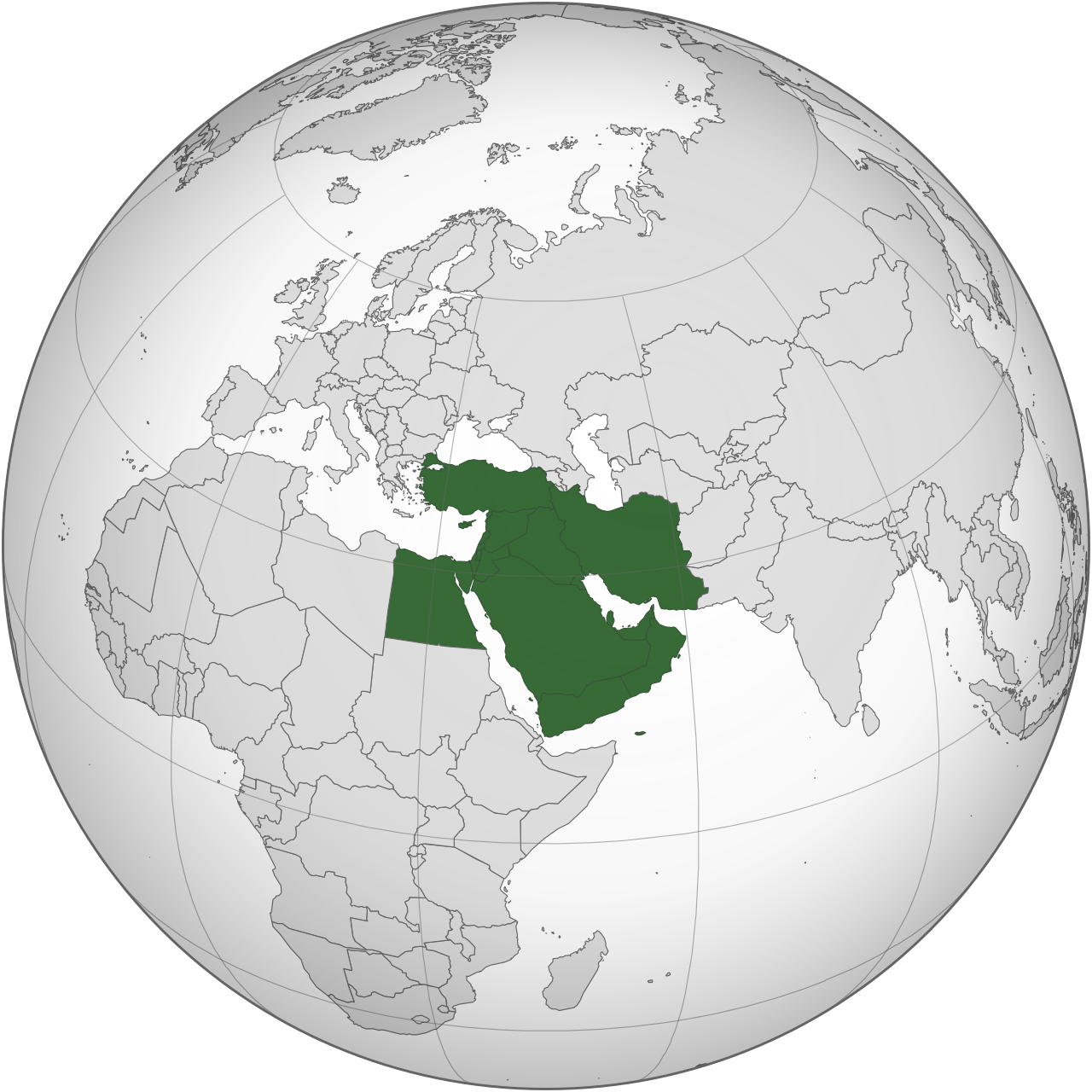
Geographically, the Middle East serves as a pivotal land bridge connecting three continents: Africa, Asia, and Europe. This unique position has cemented its role as a historical center for trade, cultural exchange, and significant geopolitical events for millennia. While its exact boundaries can be debated, it generally encompasses countries stretching from Southwest Asia to Northeast Africa. This region is characterized by arid climates, significant oil and natural gas reserves, and crucial waterways that are global economic arteries.
Historically, the Middle East is the cradle of civilization, home to the birthplaces of major world religions and empires that have shaped human history. From the ancient Mesopotamian civilizations nestled between the Tigris and Euphrates rivers to the Islamic Golden Age that spread knowledge and innovation across continents, its influence is indelible. This deep historical legacy is visibly etched into its modern landscape, with ancient ruins standing alongside bustling contemporary cities.
The Diverse Landscape: From Deserts to Fertile Plains
The topography of the Middle East is surprisingly varied, dispelling notions of a uniform desert landscape. While vast deserts certainly dominate, particularly the Arabian Desert and the Syrian Desert, the region also boasts fertile river valleys, towering mountain ranges, and extensive coastlines.
- Deserts: The Rub' al Khali (Empty Quarter) in the Arabian Peninsula is one of the largest sand deserts in the world, influencing settlement patterns and traditional nomadic lifestyles. These arid zones are characterized by extreme temperatures and sparse vegetation, yet they also hold immense oil wealth.
- Mountains: Significant mountain ranges include the Zagros Mountains, stretching across Iran and Iraq, the Pontic Mountains in Turkey, and the Atlas Mountains in North Africa (often considered part of the broader Middle East/North Africa region). These ranges often create rain shadows, influencing local climates and providing natural barriers.
- River Systems: The lifeblood of many ancient and modern civilizations, the Tigris and Euphrates rivers (flowing through Turkey, Syria, and Iraq) form the historic Fertile Crescent. The Nile River, running through Egypt and Sudan, is another colossal artery, sustaining millions and enabling agricultural productivity in an otherwise arid environment.
- Coastlines: The region is bordered by several major bodies of water, including the Mediterranean Sea, Red Sea, Persian Gulf, Arabian Sea, and Black Sea. These coastlines have historically facilitated trade and cultural exchange, contributing to the diverse character of port cities.
Practical Tip: When planning travel or researching specific areas within the Middle East, always consider the local geography. A coastal city like Dubai offers a vastly different experience and climate than an inland desert oasis in Saudi Arabia or the mountainous regions of Lebanon. Geography dictates everything from suitable clothing to local cuisine.
Countries of the Middle East: A Comprehensive Overview
The Middle East is a mosaic of sovereign nations, each with its unique cultural heritage, political system, and economic drivers. While definitions can vary, commonly included countries are:
- Levant Region: Syria, Lebanon, Jordan, Israel, Palestine. This area is known for its rich history, religious significance, and Mediterranean climate.
- Arabian Peninsula: Saudi Arabia, Yemen, Oman, UAE, Qatar, Bahrain, Kuwait. These nations are largely characterized by vast deserts and immense oil wealth, playing a crucial role in global energy markets.
- Northeast Africa: Egypt, Sudan. Defined by the life-giving Nile River, these countries possess ancient histories and strategic locations.
- Anatolia/Mesopotamia: Turkey, Iraq. Turkey bridges Europe and Asia, with diverse climates and historical sites. Iraq, the heart of ancient Mesopotamia, is rich in oil and cultural heritage.
- Iranian Plateau: Iran. A large, mountainous country with a distinct Persian culture and significant natural resources.
Each country contributes to the region's overall complexity. For a detailed breakdown of each nation and its interrelations, you might find Your Guide to the Middle East Map: Full Country List & Relations particularly useful. Understanding their individual characteristics, alongside their shared historical threads, provides a richer perspective on regional dynamics.
Key Regional Features and Strategic Importance
Beyond individual countries, certain regional features hold immense strategic and economic importance, influencing global affairs:
- Suez Canal: This artificial waterway in Egypt connects the Mediterranean Sea to the Red Sea, drastically shortening maritime routes between Europe and Asia. It's a critical choke point for global trade, handling a significant percentage of the world's shipping traffic.
- Strait of Hormuz: Located between Oman and Iran, this narrow strait is the only sea passage from the Persian Gulf to the open ocean. It is arguably the world's most important oil transit choke point, through which a large portion of the world's seaborne oil passes.
- Persian Gulf (Arabian Gulf): Surrounded by major oil-producing nations, this body of water is central to global energy supply and a hotbed of geopolitical activity.
- Red Sea: Bordered by countries like Egypt, Sudan, Saudi Arabia, and Yemen, it's another vital shipping lane, leading to the Suez Canal and connecting to the Indian Ocean.
- Oil and Natural Gas Reserves: The Middle East holds the largest proven oil reserves and a significant portion of the world's natural gas reserves. This abundance has profoundly shaped the region's economies, political landscapes, and its strategic importance on the global stage.
The confluence of these geographical and resource-driven factors creates a region of unparalleled strategic significance. Geopolitical analyses often focus on these crucial points, as events here can send ripples across the international community, affecting everything from energy prices to global trade routes.
Analytical Insight: The concentration of vital resources and strategic waterways makes the Middle East a perennial focus for global powers. Understanding these geographical assets is key to interpreting regional conflicts, alliances, and economic developments. For a deeper dive into visualizing these geographical dynamics, consider using Explore Middle East Maps: Interactive & Printable Guides.
Conclusion: A Region of Enduring Significance
The Middle East is undeniably a region of immense geographical diversity, historical depth, and ongoing global importance. Its defining features—from arid deserts to fertile river valleys, towering mountains to crucial waterways—have shaped its rich tapestry of cultures, economies, and political realities. To truly comprehend the modern Middle East, one must first appreciate its fundamental geographical underpinnings. This understanding allows for a more nuanced perspective, moving beyond simple headlines to a deeper appreciation of a region that continues to influence the world in countless profound ways.